
British English holds its unique charm imbued with cultural nuances and historical richness in the wonderfully diverse world of the English language. Unfamiliar to many non-Brits, some certain phrases and idioms are quintessentially British.
These expressions, filled with interesting metaphors and colorful language, often leave foreigners scratching their heads in confusion.
“Bob’s Your Uncle”

Meaning: A phrase that expresses that something has been achieved or completed successfully.
Origin: The origins of this phrase are uncertain, but it is believed to have originated in the late 19th or early 20th century. It may refer to the nepotism prevalent in British politics at the time, with the idea that having a relative in a position of power could secure success for Someone else.
Example: “Just add sugar and milk, stir, and Bob’s your uncle – your perfect cup of tea is ready.”
“Chuffed to Bits”

Meaning: Extremely pleased or delighted about something.
Origin: This phrase comes from British slang, with “chuffed” meaning proud or delighted and “bits” referring to little pieces.
Example: “I was chuffed when I got accepted into my dream university.”
“Spend a Penny”

Meaning: To use the bathroom/toilet.
Origin: This phrase dates back to the early 20th century when public toilets in Britain required a one-penny coin.
Example: “Excuse me, where can I spend a penny around here?”
“Bob’s Your Uncle, and Fanny’s Your Aunt”

Meaning: A variation of the phrase “Bob’s your uncle” used to express that something has been achieved or completed successfully.
Origin: This phrase is believed to have originated in the late 19th or early 20th century, with the addition of “Fanny’s your aunt” as a humorous twist.
Example: “Just take this shortcut, and Bob’s your uncle, and Fanny’s your aunt – you’ll be at the pub in no time.”
“Fortnight”

Meaning: Two weeks.
Origin: This word is derived from the Old English term “fēowertyne night,” meaning fourteen nights.
Example: “I’ll see you in a fortnight – I’m going on holiday.”
“Lost the Plot”

Meaning: To become confused, lose focus, or go crazy.
Origin: This phrase originated from the world of literature and refers to losing track of the storyline. It became popularized in Britain during the 1970s.
Example: “I can’t believe how many assignments I have due – I think I’m starting to lose the plot.”
“Taking the Biscuit”

Meaning: To be outrageous, absurd, or unfair.
Origin: It is believed that this phrase originated from British naval slang, where sailors would receive a bonus for reaching their destinations safely. If a ship’s captain were to take the prize (or “biscuit”) for themselves, it would be seen as unfair or absurd.
Example: “I can’t believe she took credit for my work – that takes the biscuit.”
“Pants”

Meaning: Rubbish, terrible, or wrong.
Origin: This phrase comes from British slang, where “pants” refers to undergarments. It is often used as a derogatory term.
Example: “I thought the movie would be good, but it turned out to be pants.”
“Knackered”

Meaning: Exhausted or extremely tired.
Origin: This word comes from the British slang phrase “to knacker,” meaning to tire or tire out.
Example: “I was up all night studying for exams – I’m knackered.”
“Taking a Piss”

Meaning: To mock, tease, or joke around with Someone.
Origin: This phrase comes from British slang, where “piss” refers to urine. It may have originated from the idea of poking fun at Someone while they are vulnerable.
Example: “Don’t take him too seriously – he’s just taking the piss.”
“The Bee’s Knees”

Meaning: Something or Someone highly admired or exceptional.
Origin: This phrase originated in the 1920s and may have been influenced by the popular slang of the time, where “bee” was used to describe anything excellent and “knees” referred to high points or peaks.
Example: “The new restaurant is the bee’s knees – you must try their food.”
“All Talk and No Trousers”

This means Someone who talks about doing something but never follows through with action.
Origin: This phrase reflects the British culture of being modest and avoiding boasting. It implies that Someone is all talk but lacks the courage or ability to act upon their words.
Example: “He promised to help with the project, but he’s all talk and no trousers.”
“Taking the Mickey/Mick”

Meaning: To make fun of or tease Someone in a light-hearted manner.
Origin: This phrase comes from British slang and may have originated from the rhyming slang term “taking the mickey bliss,” which means “taking the piss.”
Example: “They’re just taking the mickey – don’t take it too seriously.”
“Brolly”
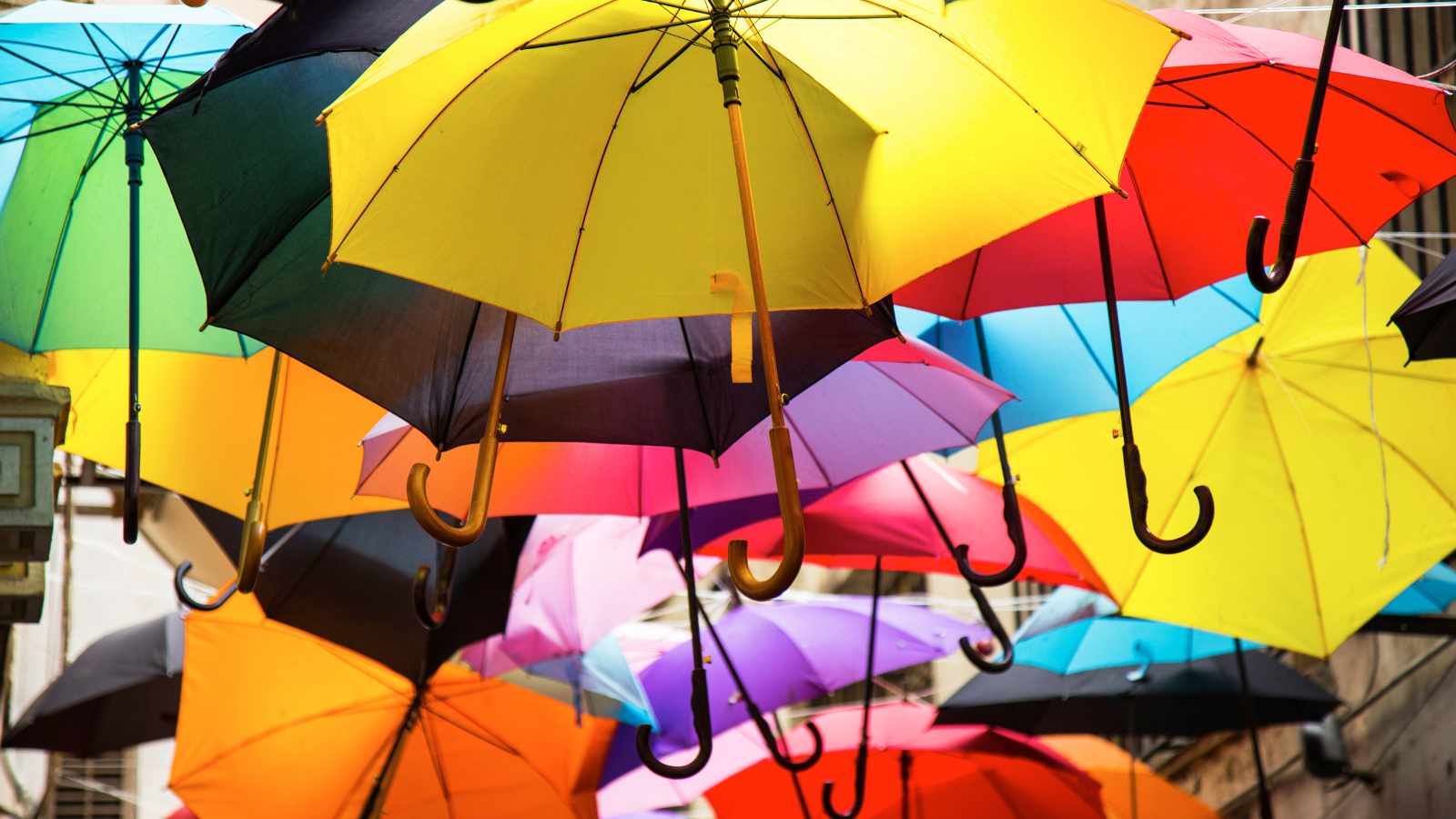
Meaning: An umbrella.
Origin: This word is derived from the slang term “umbrella” and became popularized in Britain during the 19th century.
Example: “It’s raining outside – don’t forget your brolly.”
“Cheers”

Meaning: Thank you or goodbye.
Origin: This word comes from the Old French word “chiere,” meaning face or expression. It was often used as a toast to good health and eventually became a common way to express gratitude or bid farewell in Britain.
Example: “Cheers, mate – thanks for helping me move.”
“Gutted”

Meaning: To feel extremely disappointed or saddened.
Origin: This word comes from the phrase “guts ache,” which refers to a feeling of intense disappointment. It became popularized in Britain during the 1980s.
Example: “I’m gutted that I didn’t get accepted into my dream job.”
“Pip Pip”

Meaning: A stereotypical British phrase used to say goodbye.
Origin: This phrase originated from the sound of a small whistle or horn, often associated with wealthy British gentlemen in the 19th and 20th centuries.
Example: “Well, must be off now – pip pip!”
“Chinwag”

Meaning: A friendly and informal conversation.
Origin: This phrase comes from the British slang term “chinwag,” meaning to chat or talk. It may have originated from the idea of two people talking so much that their chins were wagging.
Example: “Let’s grab a cuppa and have a good old chinwag.”
“Taking a Gander”

Meaning: To take a look or have a glance.
Origin: This phrase originated from the Middle English term “gandor,” meaning to stare. It became popularized in Britain during the 19th century and may have been influenced by duck hunting terminology, where “gander” means to look around.
Example: “I’ll just look at the menu before ordering.”
“Faff”

Meaning: To waste time, fuss, or procrastinate.
Origin: This word comes from the British slang term “faffle,” meaning to stammer or hesitate. It may have been influenced by the Old Norse word “fofa,” pointing to delay or dawdle.
Example: “Stop fussing about
More From Inspired by Insiders

Everyone wants respect, yet only some earn it. Your attitude and behavior can be the deciding factor in whether or not people respect you. Respect isn’t just about what you do; it’s also about how you present yourself and interact with others. Don’t do these things, and people will respect you.
20 Things You Must NOT Do if You Want People to Respect You
11 Things Boomers Need to Stop Saying to Millennials

The generational differences between Baby Boomers and Millennials can often make communication difficult. Even with the best of intentions, there are certain things that Boomers should avoid saying to Millennials to maintain a respectful relationship. What are they?
11 Things Boomers Need to Stop Saying to Millennials
15 Things Only People Who Lived in the 1970s Will Remember

Whether you grew up in the United States or abroad, there was something special about this time that many people fondly remember. From extraordinary fashion trends to iconic music, here are 15 things that only people who lived in the 1970s will remember.
15 Things Only People Who Lived in the 1970s Will Remember
10 Things to Never Buy at a Thrift Store

Thrift stores offer excellent opportunities to find unique and valuable items at a bargain, but they also can be a source of unwanted items and expensive mistakes. To help you avoid the latter, here are ten things that should never make their way into your home from a thrift store, no matter how low their prices are.
10 Things to Never Buy at a Thrift Store
The 10 Most Haunted Places in the United States

For centuries, people have been fascinated by stories of haunted places. These eerie locations are mysterious and intriguing, from the ancient castles of Europe to the old homes and cemeteries in America’s cities. While you may say this is just superstition or folklore, there might be a truth behind these tales.
The 10 Most Haunted Places in the United States
This article was produced on Inspired by Insiders.