
There’s something magical about Europe in the summer. Cafés spill onto cobblestone streets, music drifts through open windows, and warm evenings stretch on with the kind of golden light that makes you want to stay outside just a little longer. Whether it’s strolling along the Seine in Paris, hopping canals in Amsterdam, or savoring tapas in Barcelona, summer in Europe feels like a season-long festival.
Of course, the challenge is choosing where to go. With so many world-famous cities, each offering history, culture, and food that can sweep you off your feet, it can feel overwhelming to narrow it down. That’s where we come in. We’ve handpicked seven cities that truly shine during summer, each offering its own personality and rhythm. Some are buzzing metropolises where life never slows down, while others invite you to sip wine and watch the world pass by.
To make things even easier, we’ve included direct links to book hotels, flights, and experiences—no hunting around—just inspiration, planning, and booking, all in one place. Let’s dive into seven European cities that deserve a spot on your summer travel list.
Hotels
Experiences
- Eiffel Tower Summit Access Tour, Paris
- Colosseum Underground Tour, Rome
- Gondola Ride with Serenade, Venice
- Gaudí’s Sagrada Familia Guided Tour, Barcelona
1. Paris, France
How to Get to Paris
Paris is served by two major airports, Charles de Gaulle and Orly. Charles de Gaulle is the leading international hub, welcoming flights from across the globe, while Orly handles both European and some transatlantic routes. From either airport, trains and shuttle buses take you directly to the city center. If you’re arriving from elsewhere in Europe, the high-speed TGV train is an excellent option, whisking you into Gare du Nord or Gare de Lyon with ease.
Once in Paris, getting around is simple. The Metro connects nearly every neighborhood, and while it can be crowded during rush hour, it’s efficient and affordable. Biking has also become increasingly popular thanks to the city’s bike-sharing system. For those who prefer a leisurely pace, strolling along the Seine often reveals as much of Paris’s charm as any guided tour.
Summer in Paris also coincides with a packed cultural calendar. Outdoor cinema festivals, concerts, and Paris Plages—a program that transforms the Seine’s riverbanks into makeshift beaches—add to the fun of getting around town.
Where to Stay
Luxury seekers should consider Le Meurice, a palace-style hotel near the Tuileries Garden that has welcomed dignitaries and artists for decades. For a more romantic setting, boutique hotels in Montmartre offer cozy rooms with views of Sacré-Cœur. Families and groups may prefer spacious apartments through VRBO, which allow you to shop at local markets and cook with Parisian ingredients.
If proximity is your priority, staying near the Latin Quarter or Saint-Germain-des-Prés puts you within walking distance of many landmarks, while the Marais neighborhood offers fashionable boutiques and lively nightlife. Booking ahead is crucial in summer, as the city fills with travelers from all over the world.
Budget options are also available, with well-reviewed hostels and mid-range hotels scattered across the city. Sites like Expedia and Booking.com are invaluable for finding deals in high-demand months.
Best Things to Do in Paris
No summer in Paris is complete without a guided tour of the Eiffel Tower, especially one that takes you to the summit. The views over the city are unforgettable, with rooftops stretching out like a sea of grey and gold. Nearby, the Louvre and Musée d’Orsay house collections that span centuries, while outdoor sculpture gardens let you enjoy art under the sun.
For food lovers, summer means café terraces brimming with Parisians sipping rosé and savoring cheese plates. A stroll through the bustling Rue Montorgueil or a picnic at Luxembourg Gardens brings a slice of Parisian daily life. Evenings are perfect for a Seine river cruise, where the city’s bridges light up against the night sky.
If you’re lucky enough to be there in July, the Bastille Day fireworks are an unforgettable display, with the Eiffel Tower as a backdrop. It’s moments like these that make Paris not just a city, but a stage where life feels larger than it is anywhere else.
2. Rome, Italy
How to Get to Rome
Rome is served by two airports: Fiumicino (Leonardo da Vinci) and Ciampino. Fiumicino is the main gateway, with non-stop flights from the U.S. and major international hubs. Express trains and shuttles connect Fiumicino to Termini Station, the city’s central hub. Ciampino is smaller, mainly catering to European budget airlines, but it also offers convenient bus connections.
Travelers arriving from other parts of Italy can use Trenitalia’s high-speed trains, which link Rome to Florence, Milan, and Naples in just a few hours. Driving in Rome is possible but not recommended, as traffic can be chaotic and parking scarce. The city’s Metro and bus network make it easy to get around once you’re settled.
Summer can be hot, but it’s also when Rome feels most alive. Piazzas fill with people until late at night, and historic fountains double as gathering spots for both locals and visitors.
Where to Stay
For those seeking a luxury experience, hotels around Piazza Navona and the Spanish Steps provide historic elegance steps from iconic landmarks. Mid-range travelers often choose the Trastevere neighborhood, which combines old-world charm with vibrant nightlife.
Booking.com and Hotels.com list everything from five-star classics to budget guesthouses. Vacation rentals via VRBO are another excellent option, giving you the freedom to live like a Roman, shopping in open-air markets and cooking fresh pasta dishes at home.
Staying near Termini Station can be practical for day trips to Florence or Naples. Still, if atmosphere is your priority, central neighborhoods like Campo de Fiori offer a more memorable experience.
Best Things to Do in Rome
Start with the classics: the Colosseum, Roman Forum, and Palatine Hill. Booking a Colosseum underground tour adds an extra layer of history, taking you beneath the arena where gladiators once prepared for battle.
The Vatican Museums, Sistine Chapel, and St. Peter’s Basilica are awe-inspiring, though lines can be long in summer. Pre-booking tours is highly recommended. In the evenings, enjoy a passeggiata (evening stroll) through cobbled streets, stopping for gelato at every opportunity.
Dining is part of the Roman experience. From carbonara in Trastevere to pizza al taglio near Campo de’ Fiori, food is everywhere and always satisfying. Nightlife unfolds in piazzas where locals linger for hours with a spritz in hand. Rome is less a city you visit and more a living museum you step inside.
3. Venice, Italy
How to Get to Venice
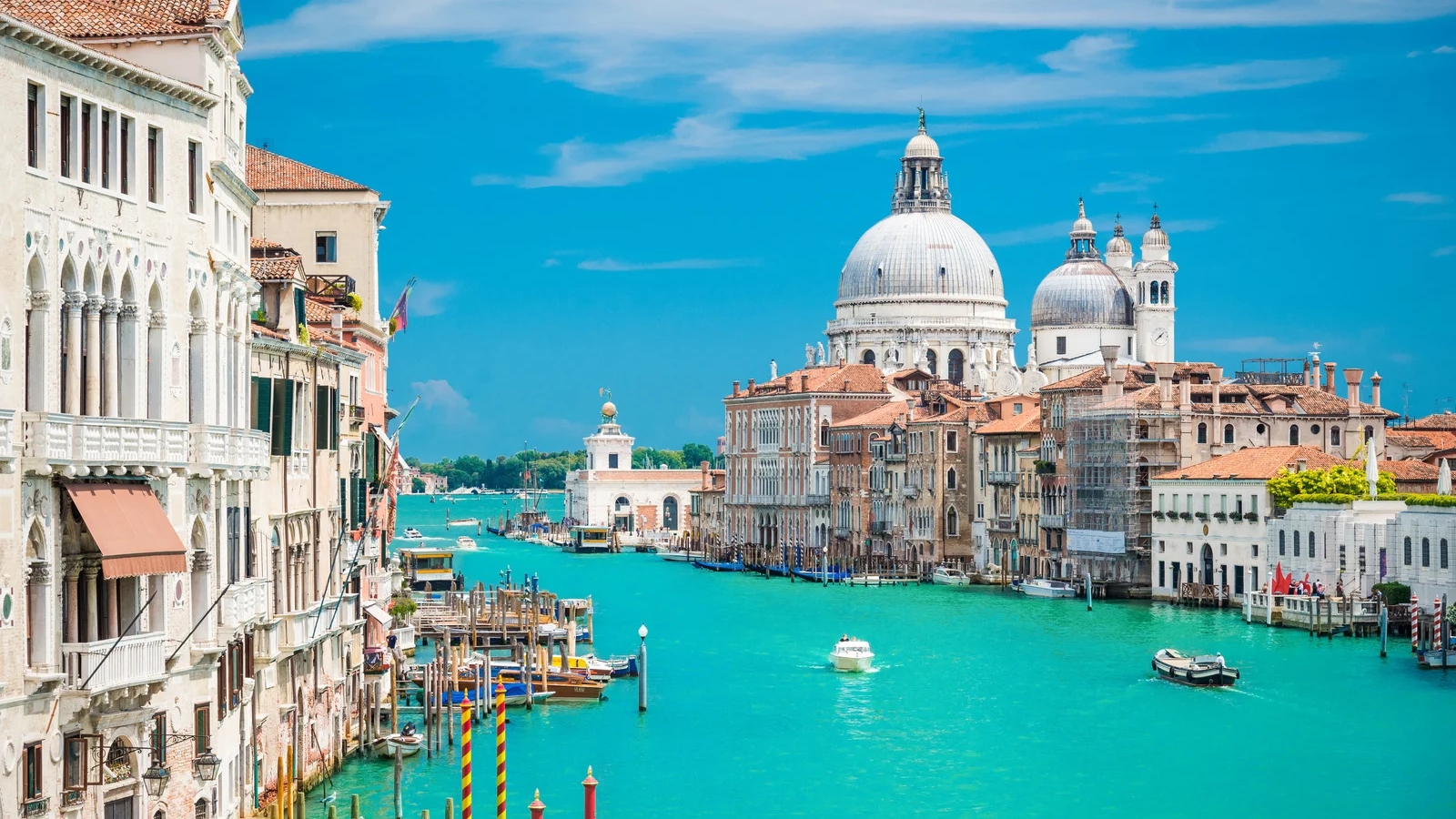
Venice is served by Marco Polo Airport, with regular flights from major cities worldwide. From the airport, water taxis and shuttle boats ferry you directly into the lagoon, offering your first glimpse of the city’s canals. Travelers from other parts of Italy can also arrive by train at Santa Lucia Station, which delivers you right to the Grand Canal.
Summer is busy in Venice, but the atmosphere is magical. Gondolas glide past Renaissance palaces, and piazzas hum with music and chatter late into the night. The narrow alleyways often open unexpectedly into wide squares filled with life.
For a day trip alternative, ferries connect Venice with the nearby islands of Murano, Burano, and Torcello, each with its own summer charm.
Where to Stay
The splurge-worthy option is Hotel Danieli, a lavish palace overlooking the lagoon. For those who want something more intimate, boutique hotels tucked away in the quieter Cannaregio or Dorsoduro districts provide romance away from the crowds.
Vacation rentals listed on VRBO allow you to stay in historic buildings with canal views, complete with kitchenettes for preparing meals after shopping at the Rialto Market. Budget travelers can look to Mestre, just across the causeway, with affordable accommodations and quick train access to the island.
Booking early is crucial, as Venice hotels fill quickly in summer. Expedia and Hotels.com often highlight seasonal promotions.
Best Things to Do in Venice
A gondola ride with a serenade might sound cliché, but on a summer evening, it’s an experience you’ll never forget. St. Mark’s Basilica and the Doge’s Palace anchor the city’s history, while the winding canals themselves are a living museum.
In summer, Venice also hosts open-air concerts and lively festivals. Wandering through the neighborhoods reveals artisans making Murano glass and Venetian masks, keeping traditions alive.
Dining on cicchetti (Venetian tapas) with a glass of prosecco is another highlight. Try hopping from bacaro to bacaro, small local bars where the atmosphere is warm and the food endlessly satisfying.
4. Barcelona, Spain
How to Get to Barcelona
Barcelona is served by El Prat Airport, located about 30 minutes from the city center. Direct flights connect Barcelona with most major U.S. and European cities. From the airport, you can hop on the Aerobus shuttle, which drops you at Plaça de Catalunya, right in the middle of the action. Trains and taxis are also reliable options for reaching the city.
If you’re traveling from elsewhere in Spain or neighboring countries, the high-speed AVE trains make it easy to arrive in style. From Madrid, it’s just a three-hour ride, while Paris to Barcelona clocks in at about six and a half hours. For Mediterranean dreamers, Barcelona’s cruise port also sees a steady flow of visitors arriving by sea.
Once in the city, the Metro is your best bet for getting around. Affordable, clean, and efficient, it connects nearly every attraction. Biking along the waterfront is also a fantastic way to soak up the summer atmosphere.
Where to Stay
One of the city’s most talked-about hotels is Grand Hotel Central, located in the Gothic Quarter. With a rooftop infinity pool overlooking Barcelona’s skyline, it’s a summer dream. For those who prefer being near Gaudí’s masterpieces, luxury hotels along Passeig de Gràcia put you within walking distance of Casa Batlló and La Pedrera.
Travelers seeking family-friendly options will find plenty of spacious vacation rentals on VRBO, while mid-range hotels in the Eixample district offer comfort and convenience at reasonable rates. Budget travelers often base themselves near Plaça d’Espanya, where transport links are excellent.
Platforms like Booking.com and Expedia make it easy to compare options and secure reservations before the summer rush drives prices higher.
Best Things to Do in Barcelona
Barcelona shines brightest in summer, and one of the must-dos is a guided tour of Gaudí’s Sagrada Familia. The basilica, still under construction after more than a century, is unlike anything else in Europe. Park Güell, another Gaudí creation, adds whimsy with its mosaic-covered terraces and winding pathways.
For beach lovers, Barceloneta Beach is just a short walk from the city center. On hot days, it becomes the city’s living room, filled with swimmers, sunbathers, and volleyball games. Summer evenings are perfect for tapas hopping in the Gothic Quarter, where tiny bars serve patatas bravas, croquettes, and sangria until late into the night.
Don’t miss Montjuïc, a hill overlooking the city with gardens, museums, and a magical fountain that hosts colorful nightly water shows. Barcelona balances beach life with urban energy, making it one of the most versatile summer destinations in Europe.
5. Amsterdam, Netherlands
How to Get to Amsterdam
Amsterdam Schiphol Airport is one of Europe’s busiest hubs, with direct flights from major American cities. From the airport, a quick 15-minute train ride takes you to Amsterdam Central Station, right on the edge of the historic canal belt.
If you’re traveling from elsewhere in Europe, trains are also a fantastic option. High-speed services connect Amsterdam with Paris, Brussels, and Berlin. Arriving by train puts you right in the city center, which is a big plus.
Summer is the best time to explore Amsterdam by bike or on foot. The weather is warm but rarely sweltering, and the city’s layout makes it easy to get around without a car. Canal boats, another iconic mode of transport, let you see the city from a completely different perspective.
Where to Stay
Luxury seekers will love the Conservatorium Hotel, which blends contemporary design with historic architecture near the Museum Quarter. For those who want a more local experience, boutique hotels in the Jordaan neighborhood put you right among charming cafés and flower-filled courtyards.
Apartment rentals through VRBO are also popular, especially for families or groups looking for extra space. Staying near Amsterdam’s canals makes for postcard-worthy views outside your window.
Sites like Booking.com and Hotels.com list hundreds of options, from grand hotels to cozy B&Bs. In summer, rooms sell out quickly, so booking ahead is wise.
Best Things to Do in Amsterdam
Canal cruises are a must in summer. You can book a classic boat ride that includes wine and cheese, or try a smaller vessel for a more intimate experience. Amsterdam’s museums also shine, from the Rijksmuseum’s Rembrandts to the Van Gogh Museum’s vibrant masterpieces.
The city comes alive outdoors in the summer months. Vondelpark is Amsterdam’s green lung, where locals picnic, cycle, and enjoy free concerts at the open-air theater. Festivals also fill the calendar, with music, film, and cultural events spilling into the streets.
Evenings are best spent exploring neighborhoods like De Pijp, filled with trendy eateries, or the Jordaan, where candlelit cafés feel straight out of a painting. Amsterdam’s summer nights are long and lively, perfect for late strolls along the canals.
6. Prague, Czech Republic
How to Get to Prague
Vaclav Havel Airport serves Prague with direct flights from European capitals and connections from the U.S. via major hubs. From the airport, buses and shuttles connect to the city center in about 30–40 minutes.
Train travel is also a convenient option if you’re coming from Vienna, Berlin, or Budapest. Prague’s central station is well-connected and just a short walk from Wenceslas Square.
The city is compact enough that you can explore much of it on foot. For longer distances, trams are affordable and give you a scenic way to get around. Summer weather is generally warm and pleasant, making sightseeing a joy.
Where to Stay
Prague offers a wide range of accommodations, from five-star hotels in historic palaces to budget hostels in lively neighborhoods. The Old Town is perfect if you want to be close to the Astronomical Clock and Charles Bridge, though it can be crowded in summer.
For a more local vibe, consider the Lesser Town (Mala Strana), where baroque buildings and quiet gardens create a peaceful atmosphere. VRBO rentals are also plentiful, giving you a chance to stay in charming apartments with views of the castle.
Expedia and Hotels.com regularly feature Prague deals, and Booking.com’s listings include plenty of boutique hotels in central locations.
Best Things to Do in Prague
Prague Castle is one of the largest ancient castles in the world, and exploring it can easily take a day. The views over the city from its gardens are spectacular, especially on a clear summer afternoon. Charles Bridge is another highlight, though it’s best visited early in the morning before the crowds arrive.
In summer, Prague’s beer gardens come alive. Letná Park offers sweeping views of the city, while Riegrovy Sady is a favorite with locals. Sampling Czech lagers in the sunshine is practically a rite of passage.
Evenings in Prague are enchanting. The Old Town Square lights up with energy, and the Astronomical Clock puts on its hourly show. Classical concerts are also popular in Prague’s historic churches and concert halls, filling summer nights with music.
7. Vienna, Austria
How to Get to Vienna
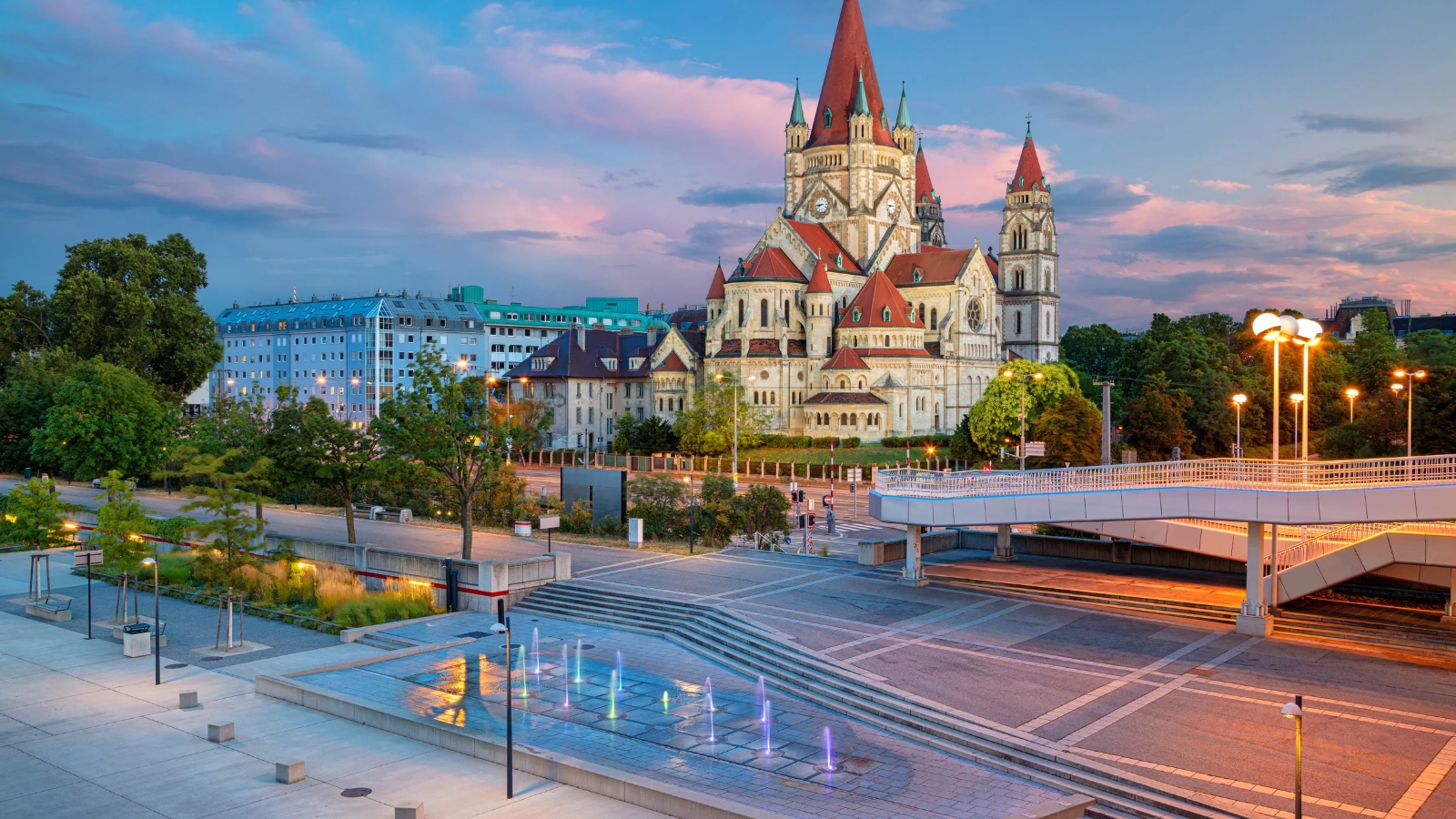
Vienna International Airport is the main gateway to the Austrian capital, with flights from across the globe. From the airport, the City Airport Train (CAT) takes you directly into the city center in just 16 minutes. Taxis and buses are also available for a more relaxed journey.
Vienna is also well-connected by rail, making it easy to reach from Prague, Budapest, or Munich. The city’s train stations are efficient and conveniently located for onward travel.
Once in Vienna, the public transport system—trams, buses, and subways—is one of Europe’s best. It’s clean, fast, and reliable, so you’ll have no trouble exploring the city.
Where to Stay
For a luxury experience, Hotel Sacher is the quintessential choice, famous for its decadent Sachertorte dessert. Travelers looking for modern comfort might prefer sleek hotels along the Ringstrasse, Vienna’s grand boulevard.
Apartments listed on VRBO are excellent for more extended stays, giving you the chance to shop at local markets and cook Austrian dishes. For a budget-friendly option, consider staying in Neubau, a trendy neighborhood with boutique hotels and lively cafés.
Platforms like Booking.com and Hotels.com offer plenty of deals in summer, though booking early is recommended.
Best Things to Do in Vienna
Vienna’s palaces are breathtaking in summer. Schönbrunn Palace, with its sprawling gardens, is perfect for a sunny afternoon. Hofburg Palace, once home to the Habsburgs, gives you a glimpse into the grandeur of imperial life.
Music is woven into Vienna’s DNA, and summer brings open-air concerts to the city’s parks and courtyards. Catching a classical performance is a must, whether in a grand concert hall or a more casual outdoor setting.
Vienna is also a culinary delight. Sip coffee in historic cafés, indulge in schnitzel at traditional taverns, and don’t leave without sampling pastries at Demel. Evenings along the Danube Canal are lively, with pop-up bars and restaurants creating a festive summer atmosphere.
Conclusion
Europe in summer is a season of color, flavor, and celebration. From the art-filled streets of Paris to the canal-side charm of Amsterdam, each city on this list offers its own rhythm and allure. Whether you’re drawn to the history of Rome, the beaches of Barcelona, or the music of Vienna, something is waiting for you on every cobblestone and every café terrace.
With easy flight connections, reliable trains, and plenty of hotel and experience options, planning your summer in Europe has never been more exciting. Book your stay, choose your tours, and get ready for days that feel endless and nights filled with magic. Europe is calling—this summer, answer it.