
Traveling doesn’t need to mean draining your savings account. Too often, people overspend simply because they don’t know the strategies seasoned travelers rely on. The truth? With the right hacks, you can save hundreds—sometimes thousands—on flights, hotels, meals, and experiences, while still enjoying every moment of your getaway.
Think of this as your travel “cheat sheet.” By making a few smart moves before and during your trip, you can stretch your dollars further without sacrificing comfort or fun. Imagine cutting your hotel costs in half, scoring a food tour at a discount, or eating incredible local meals for the price of fast food back home. That’s what these tricks are all about.
Below, you’ll find powerful ways to save money while still traveling in style. And because no trip is complete without a comfy place to stay or something memorable to do, I’ve included hotel and activity recommendations from trusted platforms like Booking.com, Expedia, Hotels.com, TripAdvisor, VRBO, and GetYourGuide.

Top Hotels
Here are four excellent stays that combine great value with comfort and location:
- CitizenM New York Times Square – Chic design, compact luxury, and a perfect location without the huge Midtown rates.
- Hotel Monteleone – A historic gem with surprisingly reasonable prices for its French Quarter setting.
- The Venetian Resort – Spacious suites and luxury amenities at budget-friendly midweek rates.
- VRBO Cabin Rental – A whole cabin or apartment often costs less per person than multiple hotel rooms.
Top Experiences
Lock in fun (and savings) before you go. Here are four great options:
- Guided Food Tours – Sample a city’s best bites without wandering.
- Express Ferry Tickets – Skip long lines and save money with fast-track passes.
- Scenic Day Trips – Affordable access to natural wonders with transportation included.
- Cultural Walking Tours – Discover hidden stories of a city while keeping costs low.
Book Flights on the Right Days
Airfare can feel like a roller coaster—prices change by the hour. But there’s a pattern: flying on Tuesdays and Wednesdays is often cheaper than weekends. Why? Business travelers dominate Mondays and Fridays, while vacationers flood Sundays. That midweek sweet spot means emptier planes and lower fares.
Take advantage of flight search tools that show you price calendars for the whole month. Sometimes shifting your trip by just one day saves you $200 or more. Imagine booking a round-trip flight for $250 instead of $450 just by picking a Tuesday departure instead of a Friday. That’s money back in your pocket for meals, museums, or a splurge-worthy excursion.
And don’t overlook early morning or late-night flights. They’re usually less in demand, which translates into cheaper tickets. Sure, waking up at 4 a.m. isn’t glamorous, but neither is paying double.
Compare Airports, Not Just Airlines

Most travelers plug their destination into a search engine and hit “book.” But here’s the secret: nearby airports can slash costs dramatically. Cities like Chicago, Los Angeles, and New York have multiple airports, and fares vary between them. A ticket into Newark, for example, can be $100 cheaper than JFK, and you can still reach Manhattan with a quick train ride.
Always weigh the trade-off: is the extra drive worth the savings? Often, yes. Even smaller regional airports sometimes offer better deals, especially with budget airlines. It might mean renting a car or hopping a shuttle, but the math often works in your favor.
Book Hotels Smart, Not Last Minute
There’s a myth floating around that waiting until the last minute gets you the best hotel deals. In reality, last-minute bookings can be risky and often more expensive, especially during peak travel seasons. The more brilliant strategy is booking early—sometimes months ahead. Platforms like Booking.com, Expedia, and Hotels.com frequently run early-bird specials.
Traveling with a group? That’s where VRBO rentals shine. Instead of cramming everyone into tiny hotel rooms, you can rent an entire house or cabin for a fraction of the per-person cost. Cooking a few meals at home saves even more.
Some booking sites also offer “pay later” options. You lock in today’s price without paying until your stay, which shields you from rate hikes. It’s like reserving a deal for your future self.
Travel Midweek for Massive Savings
Weekends are prime time, which means higher costs across the board—flights, hotels, even activities. If you can, plan your trips midweek. Traveling from Tuesday to Thursday often cuts costs in half.
Take hotels in big cities: rates can swing by $100 or more between a Wednesday and a Saturday night. The same goes for flights. And as a bonus, tourist crowds are thinner midweek, so you’ll spend less time in lines and more time enjoying yourself.
For flexible travelers like remote workers or retirees, midweek travel is a gold mine. It’s one of the easiest switches you can make to save instantly. Think of it as peak travel’s less popular sibling—it may not be glamorous, but it’s friendlier on your wallet.
Bundle Flights and Hotels Together
Ever noticed how shopping in bulk saves you money at the grocery store? Travel works the same way. Platforms like Expedia and Hotels.com offer “bundle deals” where booking flights and hotels together slashes the price. Sometimes rental cars can be included, too.
A four-night trip with flights and a hotel can be bundled for $600. When checked individually, the flights alone may cost $500. That’s $100 saved, plus a free hotel night in effect. Bundling also simplifies the process—you book once, and you’re set.
It doesn’t work 100% of the time, but it’s always worth checking. Even shaving off 10–20% adds up quickly, especially for family vacations.
Take Advantage of Free and Low-Cost Attractions
Not every memory requires an expensive ticket. Parks, street art, walking tours, and public beaches often deliver the best experiences at no cost. Some cities also have free museum days or discounted evenings. A little research before you go can turn up entire days of entertainment for free.
Of course, you’ll still want to sprinkle in some structured activities. That’s where GetYourGuide shines. Their walking tours, ferry passes, and guided day trips are affordable, especially compared to overpriced ticket booths on location. Booking early also helps you sidestep those “tourist trap” upcharges.
A good mix of free and paid attractions balances your budget. Imagine spending the morning wandering through a free market, then ending the day with a guided food tour you booked at a discount—that’s how you stretch your trip without stretching your wallet.
Eat Like a Local, Not a Tourist
Restaurant placement tells you everything. If it’s right in front of a significant landmark, expect inflated prices and average food. Walk a few blocks away, and you’ll usually find smaller restaurants packed with locals. That’s where the real flavor—and savings—are.
Street food is another underrated hero. Whether it’s tacos from a cart, a plate of noodles from a market stall, or a bakery pastry, these meals often cost a fraction of sit-down dining. And let’s be honest—they’re usually tastier too.
If you’re staying at a VRBO rental or hotel with a kitchenette, cooking even one meal a day can save you hundreds of dollars over a week. Pick up fresh produce at a local market, whip up breakfast, and splurge guilt-free on dinner out.
Use Public Transportation Instead of Taxis
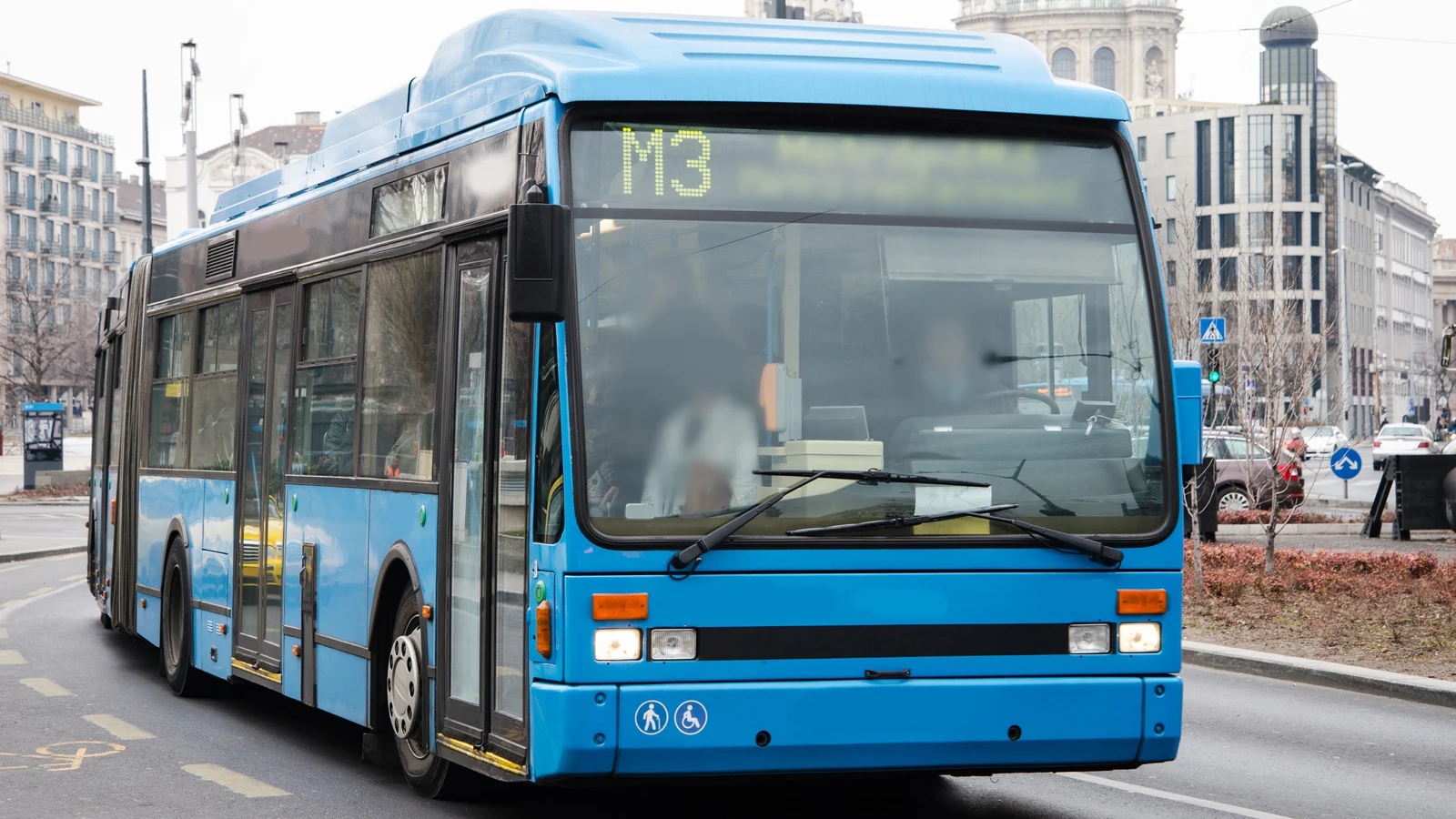
Renting cars, taxis, or relying solely on rideshare apps adds up quickly. In many cities, public transit isn’t just cheaper—it’s faster. Trains, subways, and buses often bypass traffic while giving you a better feel for the city.
Invest in daily or weekly passes when available. For the cost of one taxi ride, you can usually ride unlimited for a day. That means extra money for meals, souvenirs, or experiences. Plus, you’ll experience the city the way locals do, which adds to the adventure.
And let’s face it—there’s something oddly satisfying about mastering a foreign transit system. It’s like cracking a code while saving money.
Book Activities in Advance
Waiting until you arrive to book tours or tickets can backfire. Prices are higher on the spot, and popular activities sell out. Booking in advance through platforms like GetYourGuide locks in lower rates and guarantees your spot.
Early bookings also mean better time slots. Want a sunrise hike or evening boat ride? Those go first. By planning, you avoid disappointment and save money.
Plus, many activity providers now offer digital tickets. Skip the long lines, flash your phone, and go straight in. It’s cheaper, faster, and far less stressful than buying at the gate.
Don’t Overpack
Airline baggage fees are the silent budget killers of travel. Overweight luggage can run $100 or more, and even one checked bag often costs $30 each way. Multiply that by a round trip, and you’re looking at an unnecessary expense.
The fix? Pack lighter. Stick to a carry-on if possible. That alone saves up to $60–$100 per person per trip. Rolling clothes instead of folding, re-wearing versatile outfits, and packing travel-sized toiletries all help.
And let’s be real—most of us return from trips with clothes we never even wore. Cutting down saves money, time at baggage claim, and the hassle of lugging around a heavy suitcase.
Final Thoughts
Saving hundreds on your next trip doesn’t require sacrificing fun—it’s about shifting how you plan and book. Fly midweek, book hotels smart through sites like Booking.com or VRBO, mix free attractions with affordable GetYourGuide tours, and pack lighter to dodge fees.
These ten tricks prove you don’t need deep pockets to travel well—you need the right strategies. And once you put them into practice, you’ll wonder why you ever paid full price.