
A good credit score isn’t just a number; it’s a key that unlocks opportunity. It can mean the difference between getting approved for a mortgage with a low interest rate or being stuck with high payments that drain your savings. It affects everything from renting an apartment to buying a car, and even landing a specific job. Yet, improving it can feel like an uphill battle when you don’t know where to start.
The truth is, there’s no magic formula to boost your credit overnight. But there are habits that, when practiced consistently, can transform your credit score faster than you think. It’s not about tricks or loopholes; it’s about building a solid foundation that lenders trust.
Whether your credit needs a gentle push or a complete revival, these nine powerful habits will help you take control of your financial story. Follow them this year, and you’ll be amazed at how quickly your score and your confidence can soar.
1. Pay Every Bill on Time
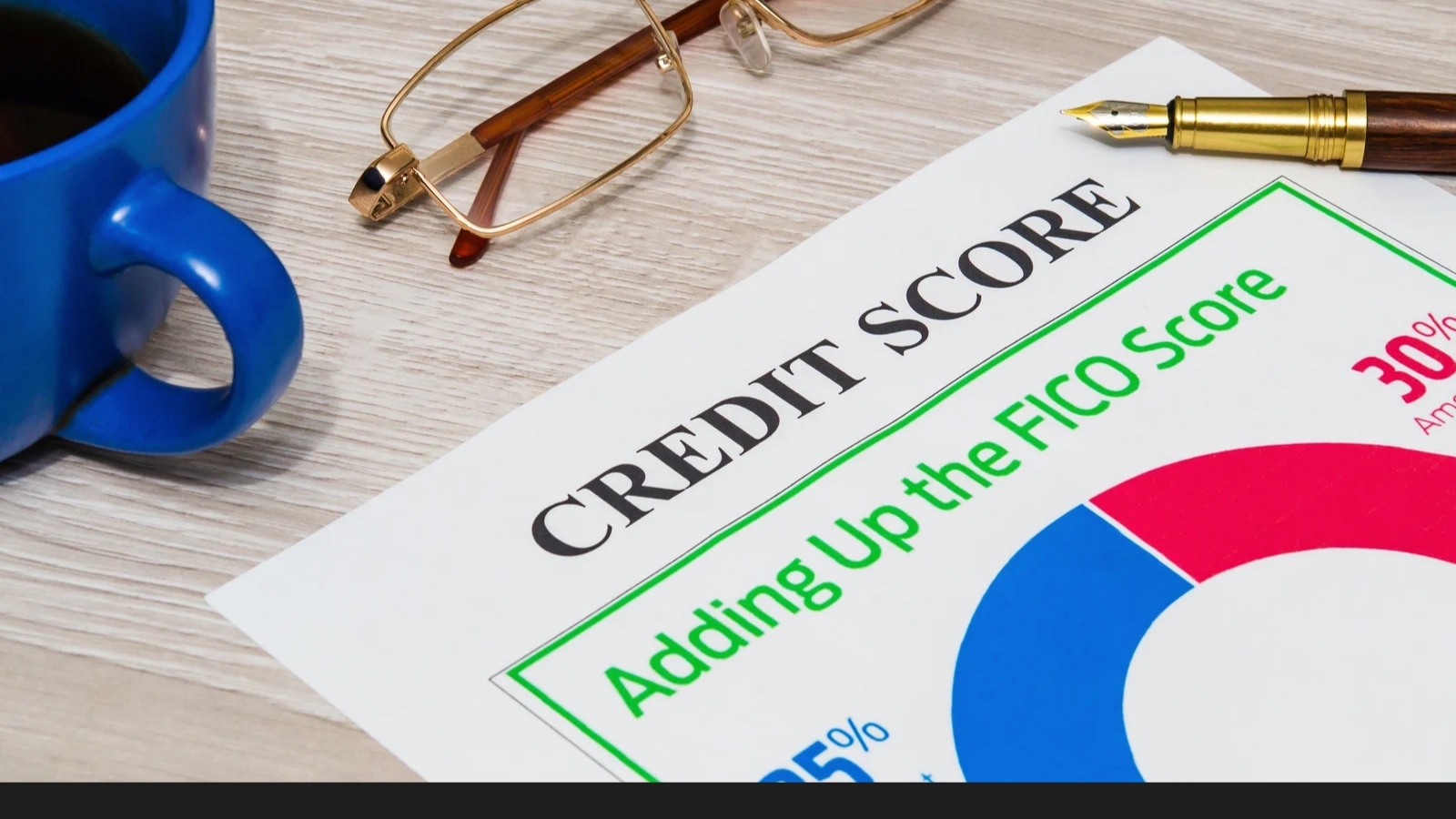
If there’s one habit that carries more weight than all others, it’s paying your bills on time. Your payment history makes up roughly 35% of your credit score, so every on-time payment counts. One late payment, though, can send your score tumbling, and it can stay on your credit report for up to seven years.
The best way to stay on top of due dates is to automate your payments. Most banks and credit card companies let you schedule automatic payments for at least the minimum amount due. Even better, set reminders a few days before each payment is due to ensure you have sufficient funds in your account.
If you ever find yourself struggling, call your creditor before missing a payment. Many lenders are willing to work with you if you’re proactive. Showing consistency and communication not only prevents penalties but also signals to lenders that you’re responsible.
2. Keep Your Credit Utilization Low
Your credit utilization ratio — the amount of available credit you’re using — plays a massive role in determining your score. Ideally, you should use less than 30% of your total available credit, but if you can keep it below 10%, that’s even better.
Let’s say you have a $10,000 total credit limit across all your cards. Try not to carry balances higher than $3,000 at any given time. High balances make lenders nervous because they signal potential overreliance on credit.
If your utilization is high, consider making multiple payments throughout the month or asking for a credit limit increase. Just don’t use that increase as an excuse to spend more; think of it as breathing room that boosts your score.
3. Check Your Credit Reports Regularly
You can’t fix what you don’t know. Checking your credit report helps you spot errors or fraudulent accounts that could be dragging down your score. According to studies, one in five credit reports contains an error, and even a small mistake can hurt your chances of getting approved for credit.
You’re entitled to a free report every year from each of the three major bureaus — Equifax, Experian, and TransUnion. Reviewing all three ensures you’re seeing the whole picture since not all creditors report to every bureau.
Suppose you spot something inaccurate, dispute it immediately. The credit bureau must investigate within 30 days and, if the information is incorrect, remove it. Keeping an eye on your report isn’t just about fixing mistakes; it’s about protecting your financial reputation.
4. Avoid Closing Old Credit Accounts
Closing an old credit card may feel like tidying up your finances, but it can actually harm your credit score. Why? The length of your credit history makes up about 15% of your credit score. The longer your accounts stay open and in good standing, the better your score looks.
When you close an old account, you reduce both your average account age and your total available credit, which can increase your utilization ratio. That one-two punch can cause a noticeable dip in your score.
Instead of closing old cards, consider keeping them open and using them occasionally for small purchases, then paying the balance off immediately. This keeps the account active and helps maintain your long-term credit health.
5. Limit Hard Inquiries
Every time you apply for a new credit card, loan, or line of credit, the lender performs a “hard inquiry” on your report. While a single inquiry might only drop your score a few points, multiple inquiries within a short period can signal to lenders that you’re desperate for credit.
Try to space out credit applications and only apply when truly necessary. If you’re shopping for a mortgage or car loan, try to complete your applications within two weeks. Credit scoring models treat multiple inquiries of the same type within that window as a single event, minimizing the damage.
Building credit isn’t about collecting cards or accounts; it’s about managing the ones you already have wisely. Patience and restraint go a long way here.
6. Pay Down Debts Strategically

Reducing your overall debt load is one of the most effective ways to improve your credit score. Start by tackling high-interest rates, especially those on credit cards, since they not only hurt your credit utilization but also eat away at your monthly budget.
Some people use the “snowball” method, paying off smaller balances first to build momentum. Others prefer the “avalanche” approach, focusing on high-interest accounts to save money in the long run. The best method is the one that keeps you consistent and motivated.
As your debts shrink, your credit utilization improves, and your payment history gets stronger. It’s a win-win that will show up on your score faster than you might expect.
7. Mix Up Your Credit Types
Lenders like to see that you can handle different types of credit responsibly. Having a mix of revolving credit (like credit cards) and installment loans (like auto or student loans) can positively impact your score. It shows that you can manage various financial obligations without missing payments.
However, don’t take on debt just for the sake of variety. The goal isn’t to have every type of credit; it’s to show you can handle what you have wisely. If your financial situation allows, consider adding a small installment loan or a secured credit card to your financial mix.
A balanced credit profile demonstrates maturity and financial stability — two qualities every lender loves to see.
8. Don’t Max Out Your Cards
Maxing out your credit cards is like waving a red flag at lenders. Even if you pay off the balance in full each month, high utilization at any point during the billing cycle can temporarily lower your score.
Try to keep your balances well below your limits at all times. If you have significant expenses coming up, consider spreading them across multiple cards or paying part of the balance before the statement closes.
Responsible usage is about showing lenders that you control your credit, not the other way around. Consistency in this habit sends a clear message: you’re a trustworthy borrower.
9. Be Patient and Stay Consistent
Improving your credit score is a marathon, not a sprint. The best results come from consistency over time. Making on-time payments, keeping balances low, and regularly monitoring your credit might feel slow, but these habits compound just like good investments.
Even small, steady progress can lead to significant improvement within months. The key is to avoid shortcuts or quick fixes that promise instant results; they often backfire.
Think of your credit score as a reflection of your financial character. Build it with care, and it will open doors you didn’t even know were locked.
Conclusion
Raising your credit score isn’t about being perfect; it’s about being persistent. These nine habits don’t just improve your number; they strengthen your entire financial foundation. Pay on time, spend wisely, and review often. Over time, these small actions build trust with lenders and give you greater freedom to achieve your goals.
A higher score means lower interest rates, easier approvals, and less financial stress. So start today. With focus and discipline, your credit score won’t just rise; it’ll soar.