
Debt can feel like an unwanted roommate who eats your food, leaves the lights on, and never pays rent. You swipe your card for dinner here, a new outfit there, and before you know it, your statement balance is staring back at you with a number that makes your stomach drop. Credit card debt grows quickly because of high interest, and it often feels like no matter how much you pay, the balance hardly moves.
The good news is you don’t have to stay stuck in that cycle. Paying off credit card debt takes strategy, not just throwing random payments at the problem. With the right approach, you can significantly reduce your repayment timeline by months or even years.
This article lays out eight practical ways to pay off credit card debt faster. Some involve adjusting how you make payments, others involve shifting habits, and a few may require thinking outside the box. Let’s dig in.

1. Pay More Than The Minimum
Minimum payments might keep your account in good standing, but they barely touch the principal. If your card carries a high balance, paying only the minimum is like using a teaspoon to empty a swimming pool.
By paying more than the minimum, you attack the actual debt rather than just covering interest. Even an extra $50 or $100 each month can shorten repayment time significantly. This reduces the total interest you’ll pay in the long run, which means more of your hard-earned cash stays with you instead of the bank.
Try setting a fixed amount that’s higher than the minimum, and treat it as non-negotiable. This mindset shift turns paying off debt into a structured plan rather than a vague intention.
2. Use The Debt Snowball Method
The debt snowball method focuses on momentum and psychology. You start by paying off your smallest balance first while making minimum payments on the others. Once the smallest card is gone, you roll that payment into the next smallest, and so on.
This method gives you quick wins. Seeing one card paid off entirely is motivating, and that motivation fuels the drive to tackle the next. It’s like knocking down dominoes: once the first falls, the rest follow faster.
Some argue that the snowball doesn’t save the most on interest compared to other methods, but its emotional payoff can’t be overstated. For many people, progress is the best motivator.
3. Try The Debt Avalanche Method
If you’re less focused on emotion and more focused on math, the avalanche method might suit you better. Instead of tackling the smallest balance first, you target the card with the highest interest rate.
This strategy minimizes the amount of interest you’ll pay over time. By attacking the most expensive debt first, you keep your overall costs lower. Once that card is gone, you move to the next highest interest rate.
It requires patience, because you might not get a quick “win” like with the snowball method, but the long-term savings can be significant. Think of it as eating the biggest frog first so everything else feels easier afterward.
4. Consider A Balance Transfer
Balance transfer cards offer promotional periods with zero or very low interest rates. Transferring your high-interest debt to one of these cards provides you with breathing room. For a set time, every payment you make goes straight toward reducing the principal instead of feeding the interest monster.
Keep in mind, balance transfers usually come with fees, and once the promotional period ends, rates can skyrocket. This option only works if you commit to aggressively paying down the balance during the low-interest window.
If used wisely, a balance transfer can save you hundreds or even thousands in interest and cut your repayment timeline dramatically.
5. Cut Expenses And Redirect The Savings
Trimming your budget frees up money you can throw at your debt. The trick is to identify small, consistent changes rather than trying to overhaul everything at once.
Cancel subscriptions you don’t use, cook at home more often, or downgrade services you rarely take advantage of. Even $200 saved monthly adds up to $2,400 a year—a huge dent in your balance.
Redirecting these savings requires discipline. Don’t let the money sit in your account waiting to be spent again. As soon as you cut an expense, apply it directly to your credit card balance.
6. Pick Up Extra Income
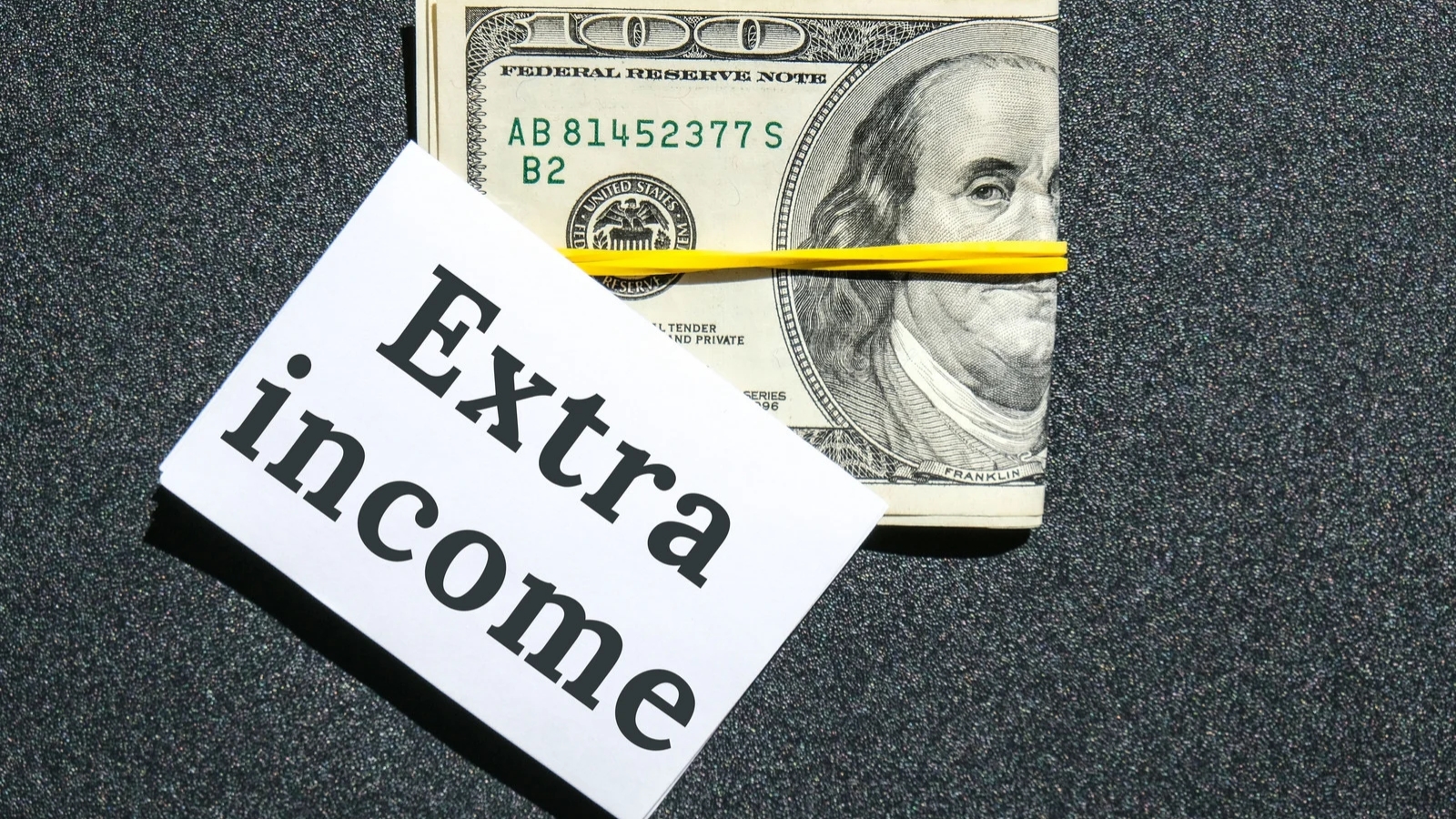
Sometimes the fastest way to kill debt isn’t cutting back; it’s bringing in more cash. Side hustles, part-time gigs, or freelance work can give you a fresh stream of money dedicated solely to your debt payments.
Driving for a rideshare service, delivering groceries, or selling unused items online can all add up. It might not feel glamorous, but the extra $300–$500 a month could slice your repayment timeline in half.
The key is to treat this income as “debt money,” not fun money. Funnel it straight into your credit card payment before you’re tempted to use it elsewhere.
7. Automate Your Payments
It’s easy to miss a payment when life gets busy. Late fees and penalty interest rates only make the debt mountain higher. Automating your payments eliminates human error.
Set up automatic withdrawals that cover more than the minimum payment. By automating, you stay consistent, and consistency is what chips away at debt over time.
Think of automation as setting up your future self for success. You don’t have to remember, and you don’t give procrastination a chance to sabotage your plan.
8. Stay Away From More Debt

This may sound like common sense, but it’s worth repeating: you can’t dig yourself out of a hole if you keep shoveling. Using your credit card while trying to pay it off is like running on a treadmill; it feels like effort, but you’re not making any progress.
Switch to cash or debit for daily expenses until your balance is under control. If you must keep a card handy for emergencies, stash it in a drawer instead of your wallet to avoid temptation.
By pressing pause on new charges, every dollar you pay goes to reducing your debt instead of replacing what you just spent.
Conclusion
Paying off credit card debt doesn’t happen overnight, but with the right strategies, you can speed up the process and breathe easier sooner. Whether you choose the snowball for motivation, the avalanche for savings, or a mix of both, the important thing is to start and stay consistent.
Every extra payment brings you closer to financial freedom. With focus, discipline, and a few smart adjustments, you can finally kick that unwanted roommate, credit card debt, out of your life for good.