
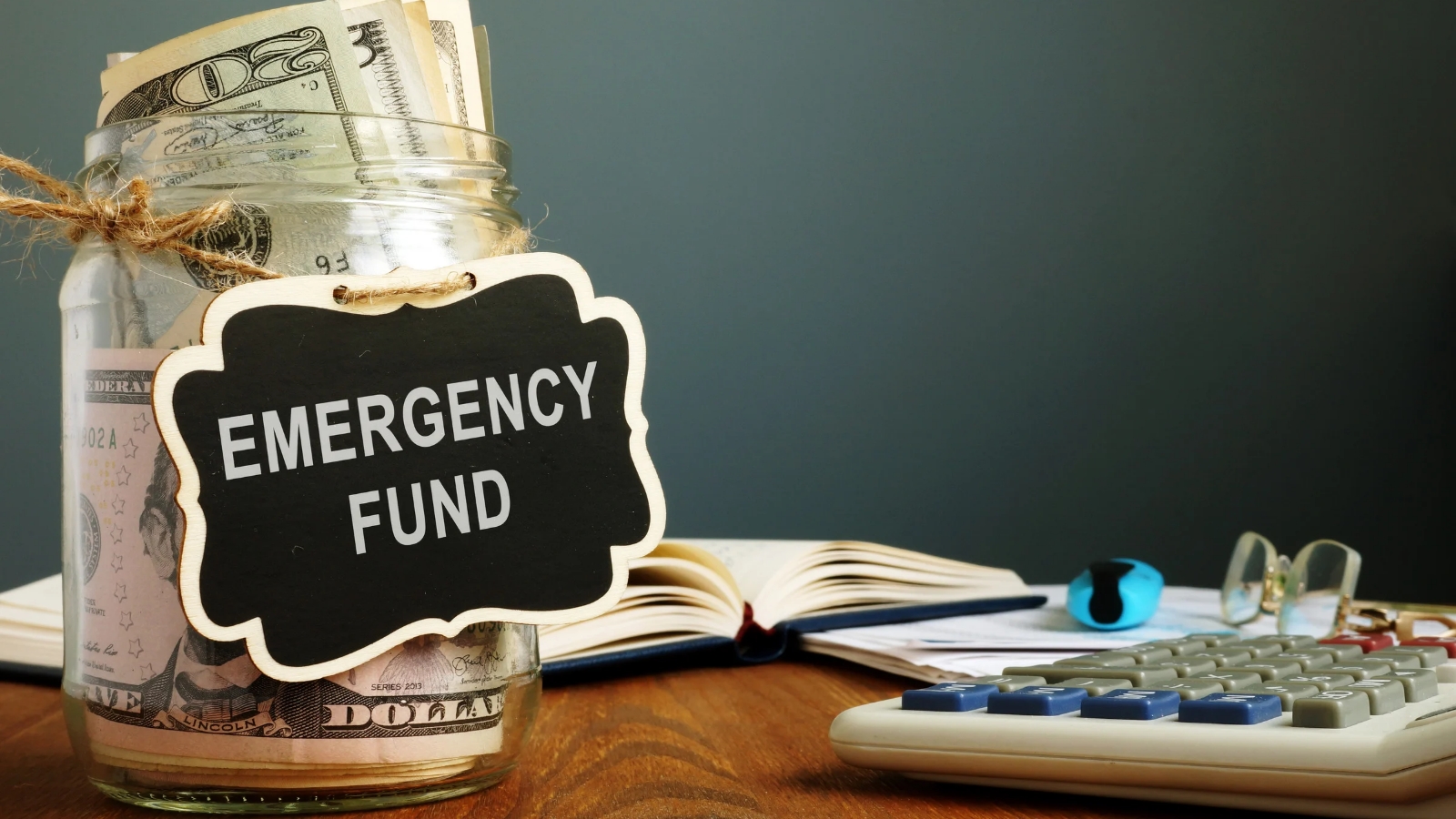
Most people know they should have an emergency fund, but many don’t. It’s easy to push saving to the back burner when you’re juggling bills, family needs, and everyday expenses. Then life throws a curveball — the car breaks down, the roof leaks, or your job feels shaky, and suddenly the lack of savings becomes painfully apparent.
An emergency fund isn’t just money in the bank. It’s peace of mind. It’s the ability to handle surprises without draining your checking account or racking up high-interest credit card debt. Think of it as your personal safety net, catching you when life decides to test your balance.
The idea of saving months’ worth of expenses can feel overwhelming, but breaking it down into smaller steps makes it possible. If you’re serious and focused, you can build a strong emergency fund in just six months. Here are eight practical ways to make it happen.
1. Set A Clear Goal
Before you stash your first dollar, figure out how much you want to save. Most financial experts recommend three to six months of living expenses. That sounds like a mountain, but don’t let the number scare you. Break it into smaller, weekly goals so it feels less like climbing Everest and more like walking a steady trail.
Let’s say your target is $6,000. Over six months, that works out to $1,000 per month or about $250 per week. Suddenly, the considerable, scary number looks more manageable. Knowing the exact figure gives you direction and motivation, because you’re not saving just “something” — you’re saving for a specific purpose.
Having a goal also helps you measure progress. Every week, you’re hitting a mini milestone, and that sense of achievement keeps you going. It’s like checking boxes on a to-do list — strangely satisfying and motivating.
2. Create A Dedicated Savings Account
If your emergency fund sits in the same account as your spending money, you’ll be tempted to dip into it. Out of sight, out of mind, and it works better here. Open a separate savings account and label it “Emergency Fund.” Just giving it a name makes it feel more official and untouchable.
Many banks let you open a no-fee savings account in minutes. Choose one that offers at least a little interest, so your money grows while it sits. Online banks often have better rates than traditional ones, so don’t overlook those options.
By separating your funds, you create a psychological barrier. Every time you log in and see that balance, you’ll think twice before transferring it out for non-emergencies. That kind of self-control is half the battle.
3. Automate Your Savings
Willpower alone rarely works. You start strong, but then the weekend comes, your friends call, and suddenly that $100 you meant to save turned into takeout and concert tickets. Automation fixes this problem.
Set up automatic transfers from your checking account to your emergency fund on the same day your paycheck is deposited. Treat it like a bill you must pay. If you don’t see the money in your main account, you won’t miss it as much.
Think of it as paying your future self first. Automation removes the daily decision-making and puts your savings on autopilot. Six months later, you’ll be surprised at how much has piled up without constant effort.
4. Cut Unnecessary Expenses
Everyone has at least a few expenses that don’t add much value. It might be subscriptions you forgot to cancel, daily coffee runs, or streaming services you barely use. Trimming these costs frees up money that can go straight into your emergency fund.
Start by scanning your bank and credit card statements. Highlight every recurring charge. Do you really need all of them? Cutting even $50 a week from extras adds up to $1,200 over six months. That’s no small chunk of change.
Remember, this doesn’t mean you have to give up everything fun. It’s about making temporary sacrifices to build something more important. Once your fund is solid, you can always add back a few indulgences.
5. Find Extra Income
If trimming expenses isn’t enough, add more money to the mix. A side hustle, part-time gig, or freelance project can fast-track your savings. Even driving for a delivery app a few nights a week could bring in a few hundred extra dollars each month.
Think about your skills. Are you good at tutoring, babysitting, or fixing things? Can you sell crafts online or do odd jobs for neighbors? Extra income doesn’t have to be glamorous — it just has to be consistent.
The beauty of a side hustle is that you can direct every dollar toward your emergency fund. Since it’s “extra” money, you won’t feel like you’re sacrificing your regular budget. Over the course of six months, even small amounts can make a significant difference.
6. Use Windfalls Wisely
Unexpected money can feel like free money. Tax refunds, work bonuses, or even birthday cash often get spent on splurges. But if you redirect those windfalls into your emergency fund, you’ll hit your goal faster.
Let’s say your tax refund is $1,500. That alone could cover a quarter of a $6,000 goal. Combine that with consistent weekly savings, and you’ll reach the finish line in record time.
The trick is to decide before the money arrives. Tell yourself that any windfall goes straight into the fund. That way, you avoid the temptation to treat it as fun money.
7. Track Your Progress
Saving can feel slow, and it’s easy to lose motivation. That’s why tracking your progress is so important. Watch your balance grow, and celebrate small wins along the way.
Create a chart, use an app, or even draw a thermometer on paper and color it in as you save. Visual reminders keep your goal front and center. They turn progress into something you can see, not just imagine.
Celebrating doesn’t mean splurging, either. It can be as simple as treating yourself to a night off cooking or sharing your progress with a supportive friend. Keeping momentum matters more than perfection.
8. Treat It Like A Priority
The most significant difference between people who build emergency funds and those who don’t is mindset. You have to treat your fund as a priority, not an afterthought. That means choosing it over short-term fun more often than not.
It may help to remind yourself why you’re saving. Picture the relief of paying for a surprise car repair without going into debt. Imagine the calm of knowing you could cover expenses if your job situation changed. Those images make the sacrifice feel less painful.
In six months, the discipline will pay off. You’ll have more than just a pile of cash. You’ll have confidence, freedom, and the knowledge that you can handle life’s curveballs without panic.
Conclusion
Building an emergency fund in six months requires focus, but it’s entirely possible. With a clear goal, automation, smarter spending, and maybe a little extra income, you’ll create a safety net that can catch you when you need it most.
The best part? Once you have the fund in place, you’ll wonder how you ever lived without it. The peace of mind is worth every skipped latte and extra shift. Six months from now, your future self will thank you.