
Money has a way of sneaking out of your wallet faster than you expect. One day, you’re feeling good about that extra cash in your checking account, and the next, you’re wondering why your balance looks like it went on a diet. Living beyond your means is easy to slip into, especially when lifestyle upgrades feel tempting and credit cards make spending effortless.
The problem is that many people don’t realize they’ve crossed the line until it’s too late. By then, the bills pile up, the stress builds, and you start asking yourself how things spiraled out of control. The good news is that there are red flags to watch for—clues in your day-to-day life that can tell you whether your spending is outpacing your income.
This article outlines seven signs that you may be living beyond your means. Each one is common, relatable, and worth paying attention to. If you see yourself in more than a couple of these, it may be time to rethink your financial habits before they catch up with you.

1. You Have Little Or No Savings
Living paycheck to paycheck is stressful. If you don’t have a cushion set aside for emergencies, even a small bump in the road, such as a flat tire or a medical bill, can throw your entire financial plan into chaos.
Without savings, you’re more likely to fall back on credit cards or loans when life happens. That only makes things worse because you’re not just paying back what you borrowed, but also the interest that comes with it.
Building savings doesn’t have to start with big amounts. Even putting aside $20 a week builds a habit and helps you feel more in control. If your spending leaves no room for saving, it’s a clear sign you’re stretching your finances too thin.
2. You Struggle To Pay Bills On Time
Missing payments is another glaring signal. Maybe you’re paying your rent late, juggling which bill to cover this week, or asking for extensions—each delay not only racks up late fees but also chips away at your credit score.
Falling behind can start small. You might think, “I’ll just push this one back until next week.” But as those delays pile up, you end up paying more in penalties than if you had managed your money differently.
If paying your bills feels like a game of musical chairs—where you hope the music doesn’t stop before your paycheck arrives—it’s a strong indicator that your lifestyle doesn’t align with your income.
3. Your Debt Balance Keeps Growing
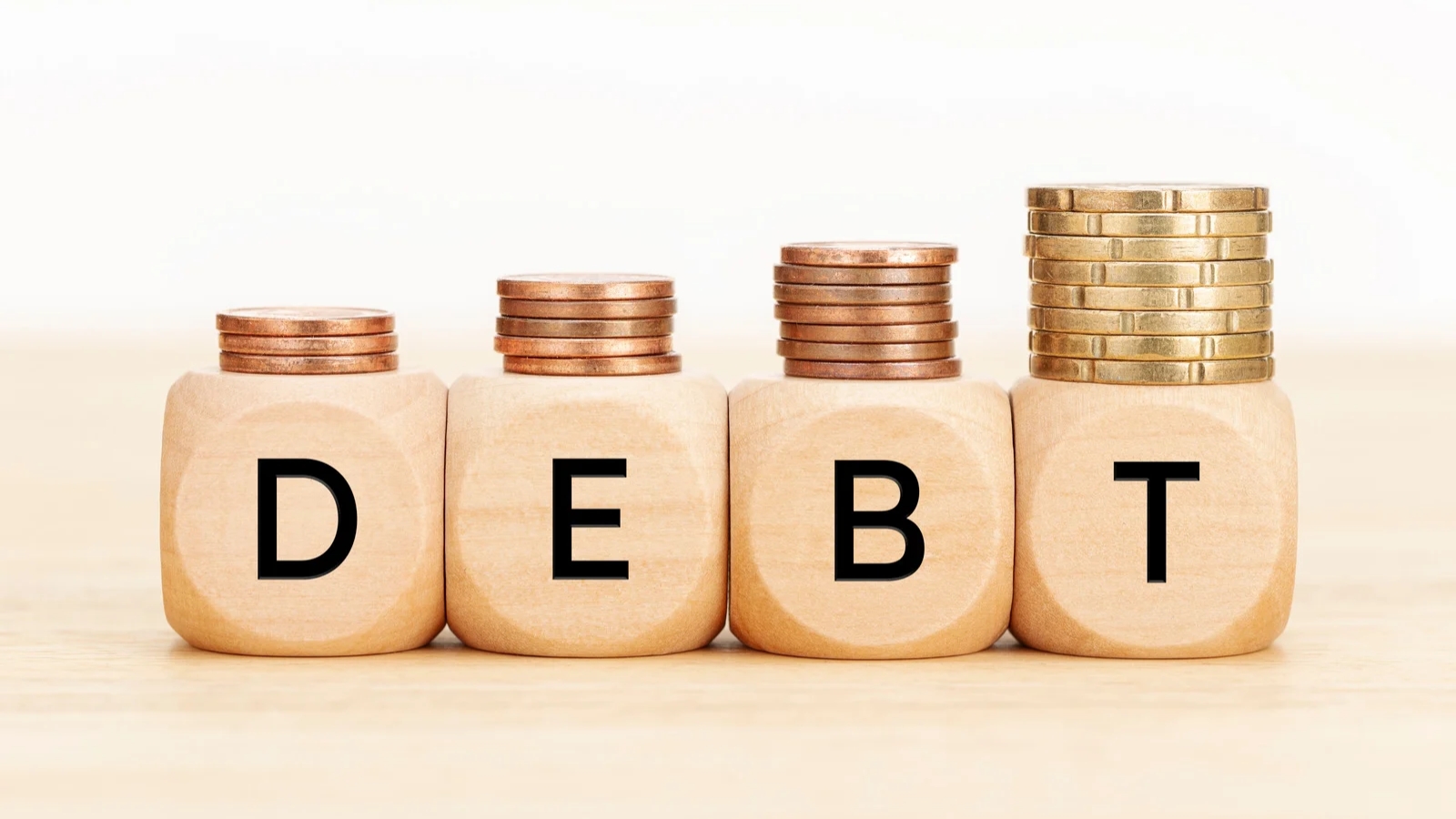
Carrying debt is common, but seeing your balance rise instead of shrink is a red flag. If your credit card statement shows the same number—or worse, a bigger one—month after month, you’re spending more than you bring in.
This situation can sneak up on you. Maybe you only pay the minimum each month, telling yourself it’s fine. The reality is that interest makes your balance balloon over time, eating away at your future earnings.
Debt should decrease as you pay it down. If it isn’t, it means your financial habits are working against you. It’s like trying to dig a hole with a spoon while someone else keeps dumping dirt back in—it’s nearly impossible to get ahead.
4. You Spend More On Wants Than Needs
Treating yourself is important, but when wants outweigh needs, your finances take a hit. Fancy dinners, new gadgets, and weekend getaways all feel great in the moment, but they often come at the expense of essentials like savings, insurance, or debt repayment.
It’s easy to justify little indulgences. “I deserve this after a hard week,” you tell yourself. But when those little splurges add up, they quietly eat away at money that could have gone toward long-term stability.
A good rule of thumb is to cover your needs first, then allow room for wants. If the balance has flipped, and your spending leans heavily toward non-essentials, it’s a clear sign you’re living beyond your means.
5. You Depend On Your Next Paycheck To Survive
If you breathe a sigh of relief every payday because you’re down to your last dollar, your budget is stretched too thin. Living paycheck to paycheck makes you vulnerable to any financial hiccup.
This constant cycle creates stress. Instead of enjoying your earnings, you’re constantly waiting for them to arrive, only to see them vanish as soon as they hit your account.
Financial security comes from having breathing room. If your income disappears the moment it arrives, you’re stuck in a loop that leaves little room for growth or peace of mind.
6. You Rely On Credit Cards To Cover Basics

Credit cards can be helpful tools if you use them wisely, but if you’re swiping to buy groceries or pay your utility bill, it’s a sign of trouble. Using plastic for essentials often means your income doesn’t stretch far enough to cover your monthly needs.
At first, it might feel manageable. You think, “I’ll pay it off once my next paycheck comes in.” However, the balance keeps growing, interest accumulates, and before you know it, you’re stuck in a cycle that feels increasingly difficult to break.
Instead of treating credit cards as income, they should be backup tools for emergencies or big planned purchases. If everyday expenses are consistently being paid with your credit card, it’s time to step back and review your budget with a clear eye.
7. You Avoid Looking At Your Finances
One of the most telling signs is avoiding your bank app or ignoring bills because you don’t want to face reality. If checking your balance makes your stomach drop, it means deep down you already know things are off track.
Avoidance might give temporary relief, but it doesn’t solve the problem. The longer you ignore it, the worse it gets. Interest, late fees, and missed payments build up silently in the background.
Facing your numbers head-on is uncomfortable, but it’s the only way to make progress. If you find yourself avoiding money matters altogether, it’s a signal you’re living beyond what your income can support.
Conclusion
Living beyond your means doesn’t happen overnight. It creeps in slowly, with small choices and habits that feel harmless at first. But those little decisions add up, and before long, you’re left juggling bills, avoiding bank statements, and wondering why your paycheck never seems to be enough.
The good news is that recognizing the signs is the first step. If you see yourself in these examples, don’t panic. With honest reflection and a willingness to adjust, you can shift your habits and get back on solid ground. After all, peace of mind is worth more than any impulse purchase.