
Money can be tricky. It helps us buy homes, fund businesses, and send kids to college, but it can also tie us down if we don’t manage it carefully. Debt is one of those double-edged swords. It can work in your favor or work against you, depending on how and why you use it. That’s why people often talk about “good debt” and “bad debt.”
At first, the labels might feel confusing. Isn’t all debt bad? After all, who enjoys seeing monthly statements piling up? But the truth is, some types of debt can actually help you build wealth, grow opportunities, and improve your future. Other types drain your bank account, raise your stress, and keep you stuck in a cycle.
This article walks through seven key differences between good debt and bad debt. Each point will provide a clearer picture of how to distinguish between them, how to manage them, and how to make more informed financial choices without feeling overwhelmed.
1. Purpose Behind The Debt
Good debt typically serves a clear and productive purpose. Think about a student loan that pays for a degree, or a mortgage that helps you buy a home. In these cases, you’re using borrowed money to build long-term value. The debt is working toward something that can increase your earning potential or give you security down the road.
Bad debt often serves short-term wants. Buying the latest gadget on a high-interest credit card or financing luxury items you can’t afford may feel satisfying in the moment, but these don’t add lasting value. The debt lingers while the excitement fades, leaving you with bills for something that doesn’t improve your financial position.
Ask yourself this: Is the debt helping me grow or just keeping me entertained for now? That question alone can help you draw a line between good and evil.
2. Interest Rates
Interest rates make a huge difference in whether debt is helpful or harmful. Good debt typically comes with lower interest rates. Mortgages, federal student loans, and some business loans often fall into this category. The lower rate means more of your payment actually reduces what you owe instead of lining the lender’s pockets.
Bad debt tends to carry sky-high rates. Credit card balances, payday loans, and store cards are classic examples. These debts can spiral quickly, as the interest keeps adding up faster than you can pay it off. It’s like running on a treadmill that only speeds up while you’re stuck in the same place.
If the rate feels like a trap you can’t get out of, that’s a pretty strong signal you’re dealing with bad debt.
3. Long-Term Value
Good debt usually builds long-term value. A home loan gives you ownership of property that (in many cases) grows in value over time. A student loan, if used wisely, can boost your income potential for decades. Business loans can fund growth that brings in steady profits. These investments stick around.
Bad debt rarely builds value. Financing a vacation on a credit card might leave you with pleasant memories, but the debt will still be hanging over your head long after the trip is over. Car loans for flashy models beyond your budget lose value the moment you drive off the lot, yet the debt remains.
When you think about the future payoff of the debt, that’s the moment you’ll notice if it’s setting you up for growth or just taking money out of your pocket.
4. Impact On Credit Score
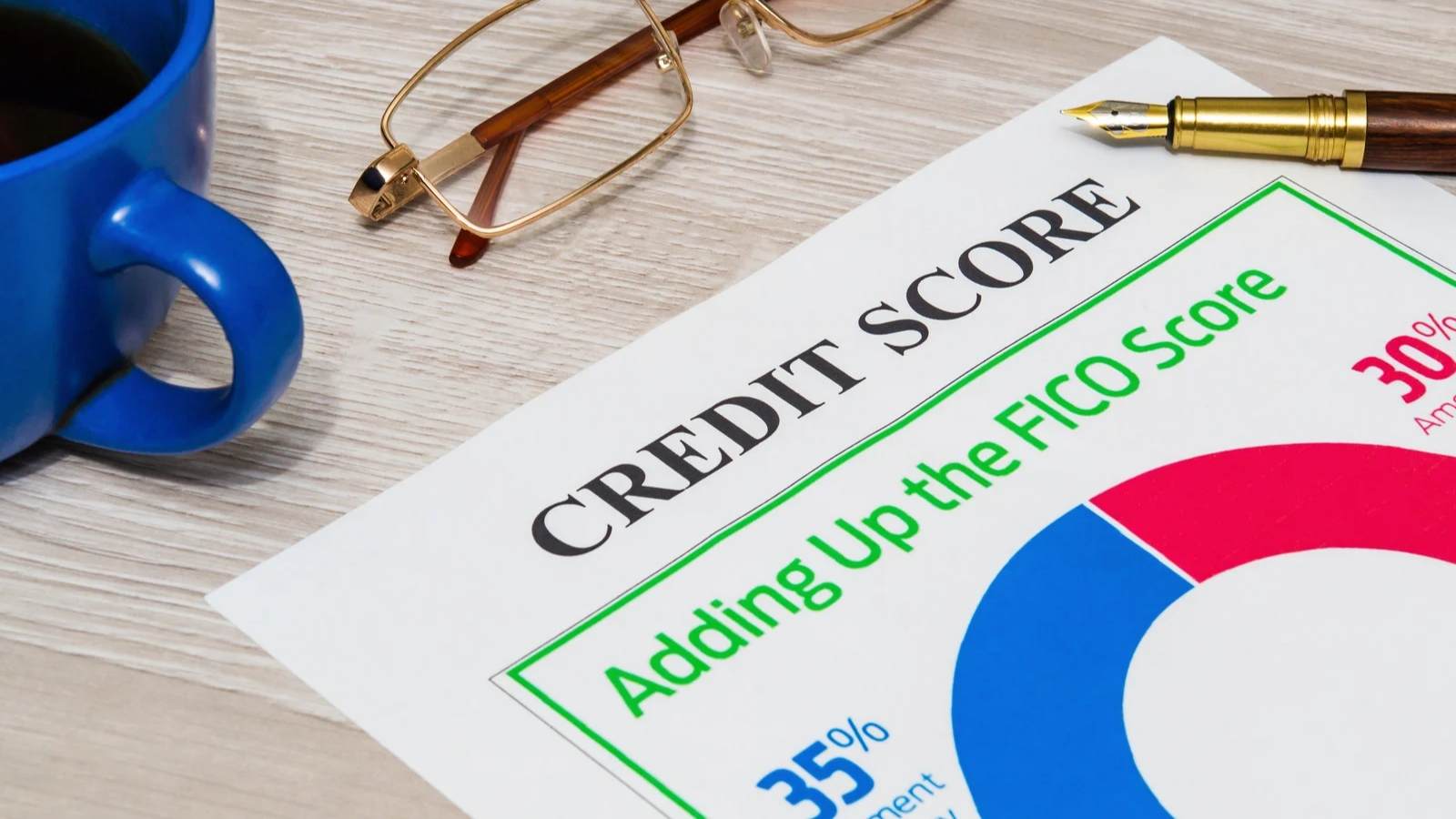
Handled well, good debt can boost your credit score. Paying a mortgage on time or steadily reducing a student loan shows lenders that you’re reliable. This history can make it easier to borrow for other big goals later, often at better rates.
Bad debt often damages credit scores. Carrying high credit card balances, missing payments, or juggling payday loans can make lenders see you as risky. A lower score makes it harder to qualify for loans you actually need, or it forces you into even higher interest rates.
Think of your credit score as a financial report card. Good debt can help maintain your grades. Bad debt drags them down.
5. Emotional Impact
Money decisions don’t just hit your wallet. They affect your stress levels, your relationships, and even your sleep. Good debt often brings peace of mind, because you know it’s tied to something worthwhile. Paying down a mortgage or watching your degree open doors feels rewarding, even if it takes years.
Bad debt usually brings anxiety. Seeing credit card bills pile up without any lasting benefit can feel like a weight you carry everywhere. Instead of pride in your investment, you’re left with guilt or worry about how to cover next month’s minimum payment.
If your debt leaves you restless at night or causes you to avoid phone calls from creditors, that’s a strong indicator that it’s doing more harm than good.
6. Flexibility And Options
Good debt gives you options. A home loan might eventually allow you to tap into equity. A business loan can help you expand, hire employees, or enter new markets. These debts often create opportunities beyond the initial borrowing.
Bad debt limits your options. If half your paycheck goes toward high-interest bills, you’re left with fewer choices for the things you actually want to do. You might put off saving for retirement, miss out on investing, or even delay essential life decisions. Bad debt can close doors instead of opening them.
The real question is whether your debt is expanding your opportunities or shrinking them. That’s one of the most apparent differences between the two types.
7. Repayment Potential
Good debt comes with realistic repayment potential. Mortgages and student loans are structured with long timelines, allowing you to budget and pay them down steadily. The payments might be large, but they’re usually predictable and manageable.
Bad debt often feels never-ending. High interest keeps balances growing even as you make payments. Minimum payments might barely touch the principal, leaving you stuck in a cycle for years. It feels less like progress and more like treading water in deep seas.
Debt you can see yourself paying off in a reasonable time frame is more likely to be good. Debt that keeps you trapped is almost always bad.
Conclusion
Debt doesn’t have to be scary. The real key is knowing which kinds can help you grow and which will only weigh you down. Good debt tends to build value, improve your future, and give you peace of mind, while bad debt drains resources, limits your freedom, and adds to your stress.
By understanding these differences, you can make choices that set you up for a stronger financial future. Borrow wisely, think about the purpose behind each loan, and remember that not all debt is created equal.